
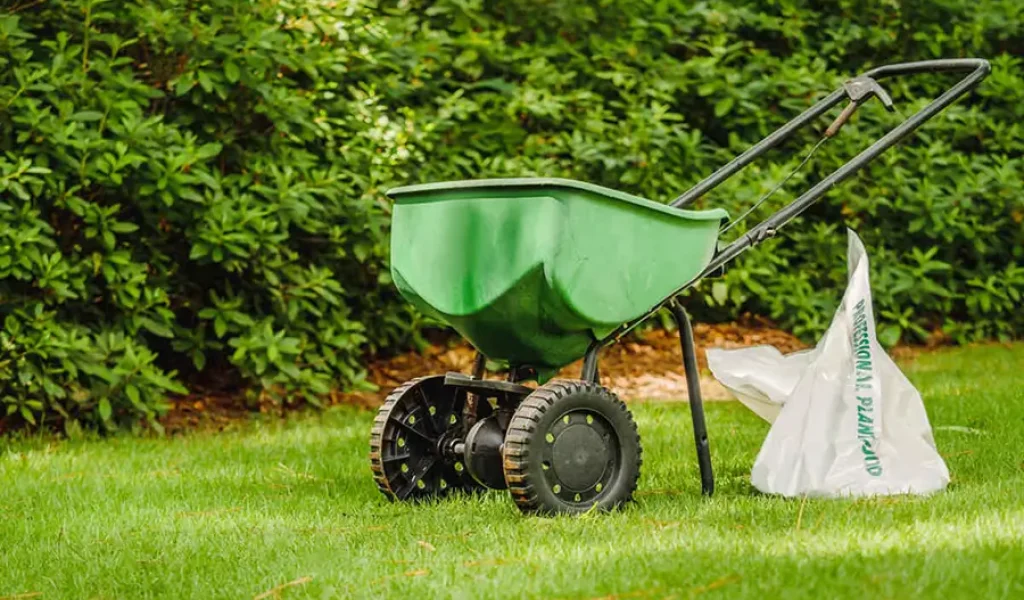
Every spring in Indianapolis, the same thing happens. The grass starts to green up, the sun comes out, and then—bam—those weeds pop up like they own the place. Dandelions, crabgrass, clover. They don’t wait for an invite.
We were just out in Carmel last week looking at a lawn that was thick and green in May. By late June, it had patches of crabgrass spreading fast. The homeowner asked me, “Didn’t we already treat this?” That’s a great question. The truth is, weed control isn’t a one-and-done job. It takes timing, consistency, and affordable lawn care solutions that match our Central Indiana weather to keep turf healthy all season.
Let’s talk about how often weed control treatments should be applied during the growing season in Indianapolis—and why it matters.
How Often Should Weed Control Be Applied in Indianapolis?
In most Indianapolis lawns, weed control treatments should be applied every 6 to 8 weeks during the growing season. That usually means 4 to 6 visits between early spring and late fall.
Our growing season here runs from about March through October. That’s a long stretch. Different weeds grow at different times. A single treatment in April will not protect your lawn in July.
Pre-emergent control stops weeds like crabgrass before they sprout. This is applied in early spring, often in March or early April.
Post-emergent control treats weeds that are already growing. These are applied throughout late spring and summer as needed.
We just finished a lawn care program in Fishers where we applied a spring pre-emergent, then followed up with two summer weed control treatments. The lawn stayed clean even during the hot, dry spell in July.
Why Can’t I Just Spray Once and Be Done?
Weeds are tough. And Indiana weather makes it even harder.
What Makes Indianapolis Lawns Different?
Our soil is often heavy clay. That means water can sit on the surface. When we get heavy rain, weed seeds move around and settle into thin spots.
We also deal with big weather swings. A cool, wet spring can bring a flush of broadleaf weeds. A hot summer invites crabgrass. Then fall brings its own batch of troublemakers.
Seasonal weed cycles mean different weeds grow at different times of year. If you skip treatments, you leave the door open.
Thin turf areas allow weeds to take hold quickly. Bare spots from heat or pet damage are easy targets.
We just saw this in Greenwood. A yard had strong grass in the front but thin turf in the back. The back is filled with spurge and crabgrass in just a few weeks.
What Is the Right Weed Control Schedule?
A good weed control program in Indianapolis follows the seasons.
Early Spring (March–April)
This is when we apply pre-emergent control. Timing is key. If you wait too long, crabgrass will already be growing.
Late Spring (May–June)
Now we target broadleaf weeds like dandelions and clover. We walk the lawn and spot-treat problem areas.
Summer (July–August)
We monitor for breakthrough weeds. Heat stress can thin grass, so we adjust treatments to avoid damage.
Fall (September–October)
Fall is one of the best times to control weeds. The grass is strong, and the weeds are storing energy. Treatments at this time help set up a cleaner lawn next spring.
We just wrapped up fall weed control for a property in Franklin. The homeowner told me it was the cleanest lawn on the block the following April.
Does Lawn Health Affect Weed Growth?
Yes, it does. Weed control works best when paired with good lawn care.
Healthy grass growth crowds out weeds. Thick turf leaves little space for weed seeds to grow.
Proper mowing height keeps grass strong. Cutting too short weakens it and invites weeds.
Consistent irrigation helps turf stay dense. Dry, stressed lawns are easy targets.
At Warweg & Co., Inc., we often combine weed control with lawn fertilization and irrigation checks. We just tuned up an irrigation system in Carmel, where dry spots were leading to weed growth. Once water coverage improved, the lawn filled in, and weeds slowed down.
What Happens If I Skip Treatments?
Skipping treatments may save money in the short term, but weeds spread fast.
A small patch of crabgrass can drop thousands of seeds. One missed visit can lead to a bigger problem next year.
We’ve taken over many lawns where service stopped mid-season. It often takes a full year to get them back under control.
Weed seed spread happens quickly once plants mature.
Root system damage can occur when weeds crowd out grass.
Staying on schedule keeps problems small and easier to manage.
Why Trust a Local Lawn Care Company?
Indianapolis lawns are not the same as lawns in other states. Our soil, rain, and temperature swings are unique.
At Warweg & Co., Inc., we’ve been caring for Central Indiana lawns since 1990. We’ve worked in Carmel, Fishers, Greenwood, Franklin, and beyond. We’ve seen wet springs, dry summers, and everything in between.
When we set up a weed control schedule, it’s based on what we see in real yards every day. Not a cookie-cutter plan.
Frequently Asked Questions About Affordable Lawn Care
Should weed control be applied more than once a year?
Yes. Most Indianapolis lawns need treatments every 6 to 8 weeks during the growing season for good control.
Can weed control stop crabgrass completely?
Yes. When pre-emergent is applied at the right time in early spring, it can prevent most crabgrass from growing.
Is fall weed control really necessary?
Yes. Fall treatments help kill weeds before winter and reduce problems the next spring.
Keep Your Lawn on a Consistent Weed Control Plan
Weed control during the growing season in Indianapolis should be done every 6 to 8 weeks, starting in early spring and continuing through fall. One treatment rarely holds up through our long, shifting season. And when grass is already struggling—like the crown damage we talk about in our post on how to tell if your lawn is still recovering from winter disease—weeds move in even faster.
A steady plan keeps weeds from taking over and helps your grass stay thick and green. At Warweg & Co., Inc., we build programs that fit your lawn and your schedule.
If your lawn is starting to show more weeds than grass, let’s fix that. Call us at (317) 885-8983 to schedule your weed control service. We’re happy to take a look and get you back on track.