
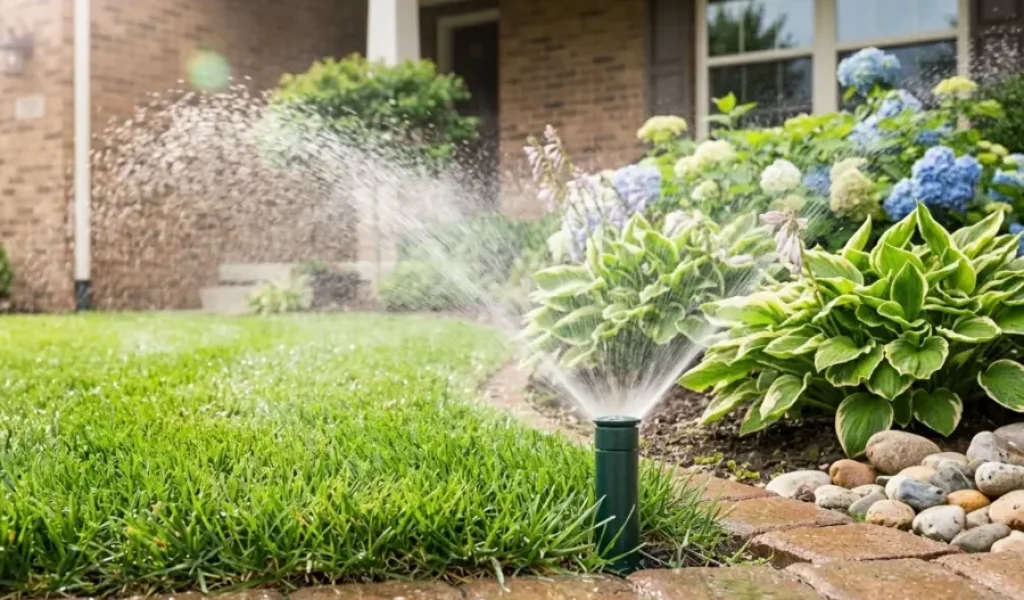
When a sprinkler system does not cover the whole lawn the right way, the problem usually comes down to zone planning. Some spots get too much water while others stay dry, which is why many homeowners look for the best irrigation system installation services to avoid costly watering problems.
I have seen this many times across Indianapolis, from older neighborhoods to new subdivision builds. Just last week, we installed a system in Carmel where the homeowner had only two zones for a large front yard and backyard. The grass was struggling, and water bills were high.
Getting the right number of zones is not just about size. It ties into layout, soil, pressure, and even local rules like zoning ordinances and municipal code. Let me tell you how we look at it as a local company.
How Does Property Size Affect Zone Count?
Larger Spaces Need More Control
A bigger lawn means more zones, but not in a simple way. A wide front yard, backyard, and side areas each need their own zone to water evenly.
Square footage matters. A property with 400 square feet needs far fewer zones than a large residential structure lot in a planned unit development.
Shape Changes Everything
Odd shapes or narrow strips near a public right-of-way often need separate zones to avoid waste.
Irregular layout. Curved edges, walkways, and driveways break watering patterns into smaller sections.
What Role Does Water Pressure Play?
Pressure Limits Each Zone
Water pressure tells us how many sprinkler heads can run at once. Lower pressure means more zones.
We just worked on a home in Fishers where the pressure was low due to older public utilities. We had to design extra zones so each area still got enough water.
Low-pressure systems require more zones to prevent weak spray and dry patches.
Flow Rate Matters Too
Flow rate works with pressure to decide how much water moves at one time.
Balanced flow, each zone must match the system’s ability to deliver water evenly.
How Do Soil and Drainage Impact Zones?
Clay Soil Needs Special Planning
Around Indianapolis, clay soil is very common. It holds water longer, which affects how zones are set.
I have seen many lawns in Greenwood where poor stormwater drainage caused pooling. Breaking zones into smaller cycles fixed that issue.
Slow absorption soil: Clay needs shorter watering times in more zones.
Slopes and Flood Concerns
If a property sits in a property owner’s floodplain or near areas defined by FEMA or the Federal Emergency Management Agency, zoning must reduce runoff.
Sloped ground: These areas need separate zones to stop water from washing away.
Do Local Codes and Rules Affect Zone Planning?
Zoning and Permit Requirements
In Indianapolis, rules like zoning code, zoning district, and subdivision regulations can shape how irrigation is installed.
Some areas require attention to front yard setback, minimum side yard, and even public hearing approvals through the county area plan commission.
Permit factors: A building permit or development permit may influence layout and system design.
Special Property Types
Homes in a mobile home park, manufactured home setup, or near a recreational vehicle space may have different layout limits.
Code requirements: These can change how many zones are practical or allowed.
How Do Landscaping Features Change Zone Needs?
Plant Types Need Different Watering
Grass, shrubs, and shaded areas all need different amounts of water.
Mixed landscaping: Each type often needs its own zone to stay healthy.
Hardscapes and Obstacles
Patios, driveways, and lighting systems can block water paths.
We recently installed outdoor lighting in Franklin alongside irrigation, and we had to adjust zones to avoid spraying fixtures.
Obstacles in the yard: These create natural breaks for separate zones.
Does Home Construction Affect Irrigation Zones?
Foundation and Layout
A home placed on a permanent foundation or built under strict development standards may have tighter yard spacing. Smaller sections often need precise zoning.
Energy Efficiency and Lawn Health
Homes built with Energy Star goals or higher R-value insulation often focus on energy conservation. That mindset usually carries over to water use. According to the EPA WaterSense Program, efficient irrigation planning can help homeowners reduce outdoor water waste while maintaining healthy landscapes. More zones can mean better control and less waste.
How We Plan Zones at Warweg & Co., Inc.
When we design a system, we do not guess. We measure pressure, check soil, review zoning and subdivision plans, and look at every part of the yard.
We just completed a project in Indianapolis where the homeowner thought four zones would work. After testing, we built out eight zones. The result was even coverage and lower water use. The homeowner told us they wished they had installed the system earlier because the lawn had already suffered through one hot summer with dry patches and rising water bills.
With our hands-on planning, every zone is mapped to match real conditions, not just size. Many homeowners do not realize how much easier sprinkler installation becomes when it is planned before summer heat and watering restrictions start creating lawn problems.
Frequently Asked Questions About Irrigation System Installation
1. Do more zones always mean better watering?
No. More zones only help if they are designed properly. Too many zones without planning can waste water and money.
2. Can local zoning rules affect my sprinkler system?
Yes. Zoning ordinance, municipal code, and development standards can impact layout and installation. Some areas may require permits or approvals.
3. Is it possible to upgrade my current system with more zones?
Yes. Many systems can be expanded or adjusted. It depends on your water supply and existing setup.
Getting the Right Zone Count Matters
A sprinkler system is only as good as its design. Too few zones lead to dry spots and wasted water. Too many zones can raise costs without adding value. The goal is to balance based on your property, local rules, and real-world conditions.
At Warweg & Co., Inc., we have been helping homeowners across Indianapolis. If your system is not performing the way it should or you are planning a new install, give us a call at (317) 885-8983. We are always happy to take a look and help you build a system that works the way it should.